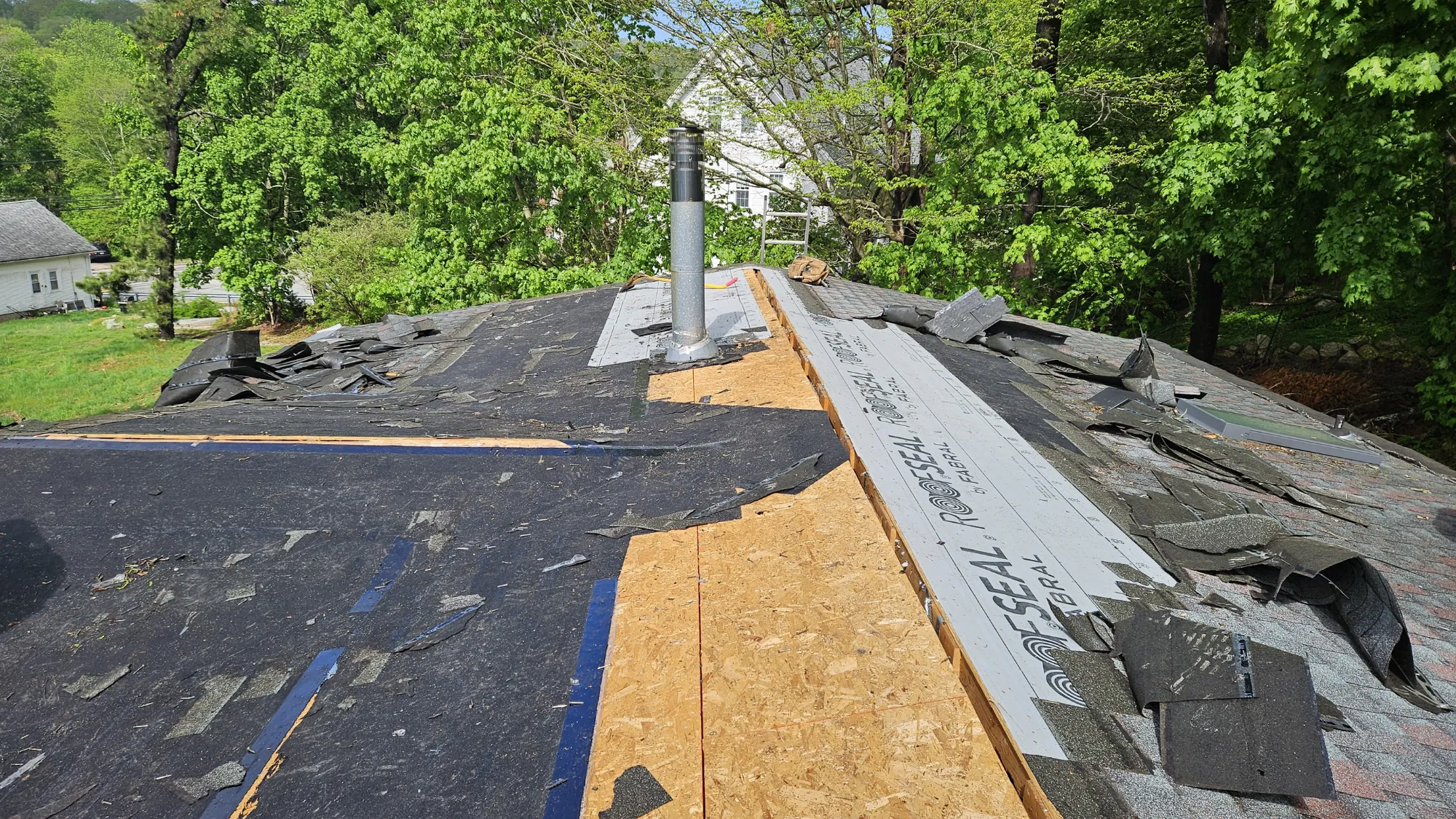
As winter approaches in Norwich, Connecticut, strong winds can expose weaknesses in aging or damaged roofs. A slightly raised shingle edge might appear minor from the ground, but repeated gusts can worsen an existing problem.
At JS and R Roofing, we help homeowners assess lifted shingles on roof surfaces and determine whether repairs or replacement are appropriate before harsher weather arrives.
Understand Why Shingles Become Loose
Asphalt shingles are designed to overlap and shed water. When an edge lifts, wind can catch it and place additional stress on surrounding materials.
Possible causes include:
- Incorrect nail placement or inadequate fastening
- Wind damage to adhesive seals
- Age-related curling or cracking
- Previous roof work that disturbed materials
- Moisture problems affecting underlying components
Our existing article on shingle lifting explains these causes in greater detail. For homeowners, the immediate concern is whether damaged areas can withstand upcoming storms.
Recognize the Risks of Waiting
A lifted shingle does not automatically mean water is entering your home. However, gaps can make the roof more vulnerable to wind-driven rain, melting snow, and further shingle damage.
Unresolved exposure may contribute to:
- Additional shingles loosening or blowing away
- Moisture reaching underlayment or roof decking
- Stains developing on attic surfaces or ceilings
- Deterioration of damp materials over time
- A larger repair scope if damage spreads
Our roof leak warning signs guide explains what interior changes can suggest water intrusion.
Look for Damage Without Climbing
After a windy day, observe your roof from the ground or another secure vantage point.
Check for uneven shingle edges, missing sections, debris, or noticeable gaps. Inside, look for new ceiling stains and damp attic materials, but enter the attic only when access is safe.
Photograph visible changes and record when they appeared. Granules in gutters may indicate aging or wear, though they do not independently prove that shingles are lifting.
Never climb onto a roof to push down shingles, apply sealant, or inspect damaged areas yourself.
Ask Whether Repair or Replacement Makes Sense
A roofer should evaluate the shingle condition, fastening, underlayment, flashing, and any evidence of underlying damage.
Localized repairs may be appropriate when a small area is affected, and the remaining roof is sound. Widespread lifting, brittle shingles, or repeated leaks may justify discussing replacement.
Our residential roofing services include inspections, repairs, and replacement planning.
For older roofs, our shingle roof lifespan guide describes factors affecting repair decisions.
Prepare Before Winter Storms
Take these practical steps:
- Document visible damage from a safe location.
- Report active leaks or missing shingles promptly.
- Arrange a professional roofing assessment.
- Request an explanation of repair options and scheduling.
- Keep inspection records for future reference.
Cold-weather roof work may be possible, but conditions and shingle installation requirements affect timing. Our winter roofing article explains these considerations.
Frequently Asked Questions
What causes shingles to lift off a roof?
Wind, installation defects, aging, and damaged adhesive seals can contribute to lifting.
Can lifted shingles be repaired without replacing the entire roof?
Sometimes. The answer depends on how many shingles are affected and the condition of surrounding materials.
How often should roof inspections be conducted?
Consider periodic inspections and additional checks after major storms, based on roof condition and professional guidance.
What is the best time of year to repair roof shingles?
Address damage when safe conditions allow rather than waiting for a particular season.
Contact JS and R Roofing
If you notice lifted shingles on roof sections around your Norwich home, our team can inspect the damage and explain your options. Contact JS and R Roofing or call (860) 822-1204 to discuss an assessment and applicable estimate fees.