Finding trusted and licensed commercial roofing contractors in Connecticut is essential for protecting your property, staying compliant with building codes, and ensuring long-term durability. Connecticut’s climate — with freeze-thaw cycles, snow loads, and rapid temperature shifts — makes selecting the right partner even more important. This guide offers practical steps to identify licensed professionals, assess their capabilities, and secure quality results for your commercial project.
Understand licensing and why it matters
Connecticut requires certain licensing and registration for contractors who perform substantial work on commercial buildings. The Connecticut Department of Consumer Protection (DCP) maintains a public license lookup so you can verify that a roofing contractor holds an active, in-good-standing license. Verifying licensing protects you from unqualified contractors and helps ensure work will meet state codes and industry standards. When evaluating options, prioritize commercial roofing contractors in Connecticut who clearly demonstrate their license status, insurance, and code compliance. A licensed contractor also tends to have established safety practices and a track record of reliable project delivery.
Verify licenses, insurance, and safety credentials
To reduce risk on your project, use a systematic verification process:
- Check license status: Use the DCP’s online license lookup to confirm the contractor’s license type and expiration, and to verify any disciplinary history.
- Confirm insurance: Request current certificates of general liability and workers’ compensation. This protects your building from liability in case of accidents and ensures workers are covered.
- Consider bonding: For larger commercial projects or public-sector work, bonding can provide an extra layer of protection and financial assurance.
- Confirm business details: Match the company name, address, and tax ID on contracts and invoices.
- Review safety records: Inquire about safety programs, OSHA training, and a written site-specific safety plan.
What to ask during an initial consultation
As you speak with candidates, ask targeted questions to gauge capability and fit:
- Experience with similar projects: Ask for case studies or references from comparable commercial roofs (size, type, and climate considerations).
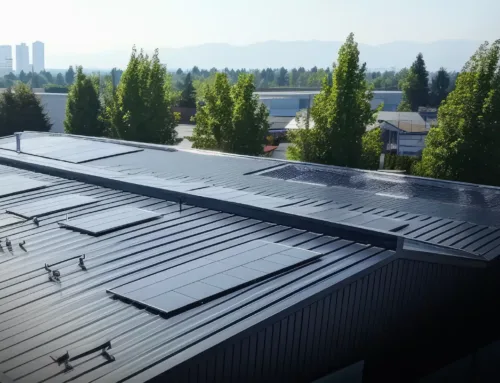
- Materials and systems: Inquire about roofing systems they install (EPDM, TPO, PVC, metal, etc.), warranties, and how they handle flashing, insulation, and drainage.
- Timeline and disruption: Request a realistic schedule, including startup, peak work, and how they minimize disruption to tenants or operations.
- Subcontractors: If used, require disclosure of who will work on your site and proof of their licensing and insurance.
- Warranties and service: Clarify both material and workmanship warranties, and whether the contractor offers maintenance plans post-installation.
Key quality indicators and regional considerations
Look for indicators of quality and reliability:
- Manufacturer certifications: Certifications from roofing manufacturers reflect training and commitment to proper installation.
- Complete bids: A detailed, written proposal with scope, materials, labor, permit costs, and a clear payment schedule signals professionalism.
- Past performance: Request photographs, project summaries, and contactable references from similar CT projects.
- Local knowledge: A Connecticut-focused contractor understands local codes, permit processes, and seasonal considerations like winter protection and snow loading.
How to compare bids and craft a solid contract
When you receive bids, evaluate on more than price:
- Scope clarity: Ensure the bid describes the exact work, materials, and any tear-off or recycling processes.
- Change orders: Compare how each contractor handles scope changes and associated costs.
- Schedule: Look for a phased timeline, milestones, and penalties or allowances for weather delays.
- Warranties: Distinguish between manufacturer warranties and workmanship guarantees; confirm transferability and length.
- Lien waivers: Include upfront lien waiver language to protect against subcontractor claims.
Why JS and R Roofing is a strong option in Connecticut
For commercial projects in Connecticut, partnering with a licensed and insured local roofing contractor like JS and R Roofing provides practical advantages: familiarity with state and municipal permit processes, responsive service for storm-related repairs, and robust safety programs. A thoughtful selection process that emphasizes licensing, insurance, and proven performance helps ensure a high-quality result and reliable post-installation support. If you’re evaluating options, consider how well a candidate demonstrates licensing diligence, transparent bidding, and a proactive maintenance approach.
Taking a methodical approach to choosing commercial roofing contractors in Connecticut reduces risk and leads to durable, compliant results. Start by verifying licenses and insurance, then assess project experience, safety practices, and warranty options. Request written bids with clear scopes and timelines, and check references from similar Connecticut projects. If you’re ready to discuss a commercial roofing project with a trusted local partner, JS and R Roofing is prepared to review your needs, provide a detailed proposal, and help you achieve quality results as one of the reliable commercial roofing contractors in Connecticut. Contact us today for a quote.